
Micronutrients: The Key to Proper Crop Nutrition and Higher Yields
Apr 27, 2020
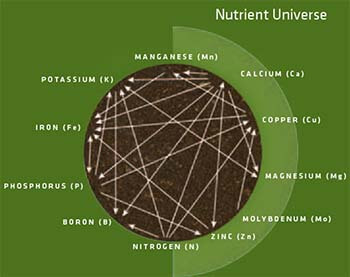
Much research has been done in the last 10 to 15 years about the relationship of micronutrients — like sulfur, boron, zinc, magnesium, and manganese — to the major nutrients — nitrogen, phosphorus and potassium. The research shows that, at the correct ratio, the “micros” combined with the “majors” can have a significant impact to yield of crops including corn, soybeans, forages, and many others.
Take for example nitrogen. Without a ratio of 1/part sulfur to 10/parts nitrogen, the nitrogen cannot be used by the plant correctly; therefore, the nitrogen is lost and yield is drastically reduced. Or consider the other two major nutrients. Phosphorus cannot be taken up by the plant properly unless the proper amount of zinc is present in the soil, and it’s a similar scenario with potassium and magnesium.
The question then becomes: “How do I know what is the proper amount and ratio of ‘major’ to ‘minor’ nutrients?”
The easiest answer is soil testing. When the lab returns the results, they’ll include recommendations for minor nutrients in the correct ratio to the majors.
If you’re interested in learning more about soil testing or would like to have soil samples taken on your fields, contact your local Co-op agronomist.
Take for example nitrogen. Without a ratio of 1/part sulfur to 10/parts nitrogen, the nitrogen cannot be used by the plant correctly; therefore, the nitrogen is lost and yield is drastically reduced. Or consider the other two major nutrients. Phosphorus cannot be taken up by the plant properly unless the proper amount of zinc is present in the soil, and it’s a similar scenario with potassium and magnesium.
The question then becomes: “How do I know what is the proper amount and ratio of ‘major’ to ‘minor’ nutrients?”
The easiest answer is soil testing. When the lab returns the results, they’ll include recommendations for minor nutrients in the correct ratio to the majors.
If you’re interested in learning more about soil testing or would like to have soil samples taken on your fields, contact your local Co-op agronomist.