
Feed Changes with the Weather
Aug 09, 2022
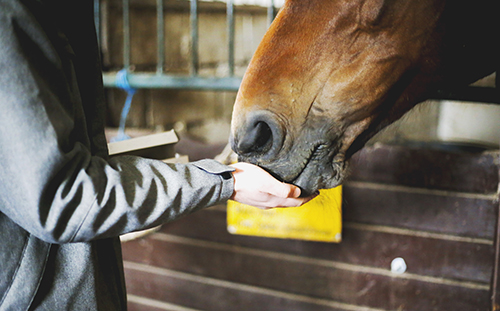
Most equine events occur during the summer season when it’s the hottest time of year. With this comes concern in feeding your equine athlete properly to decrease the chance of overheating and increase performance. See the below tips to keep your horses healthy and ready for performance through the changing temperatures.
Using these recommendations above will aid in optimal equine performance and health as it will enhance digestibility to keep them cool and comfortable during the harsh summer months.
For more content like this, check out the latest issue of The Cooperator.
- Supplement electrolytes to hard-working horses. Depletion of electrolytes interferes with muscle contraction resulting in fatigue, poor performance, and severe loss of potassium. Electrolytes help replace minerals lost in sweat and increase water consumption.
- Limit protein intake. Protein requires extreme amounts of energy to be broken down in the digestive system. This process generates more metabolic heat compared to regular digestion and absorption of dietary protein, resulting in increased breathing and sweating rates to remove the extra heat.
- Provide fresh, clean water at all times! Research shows that horses drink more water when it is kept between 45°F and 65°F.
- Swap to a higher fat feed or add a high-fat supplement. Fat is digested, absorbed, and metabolized more efficiently than any other nutrient, producing less metabolic heat. This reduces the energy needed to lower body temperature, potentially resulting in lower calorie and water needs.
- As always, make dietary changes gradually. Introducing new diet changes should be conducted over 10 days.
Using these recommendations above will aid in optimal equine performance and health as it will enhance digestibility to keep them cool and comfortable during the harsh summer months.
For more content like this, check out the latest issue of The Cooperator.