
The 4-1-1 on Fencing
Jun 08, 2020
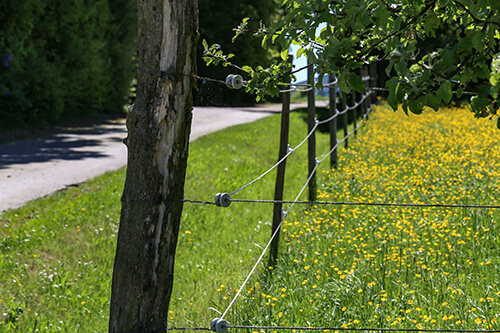
Summer is a great time to improve and upgrade your farm by adding or replacing fences. However, choosing the right fence for your farm’s specific needs can be overwhelming and challenging.
Here are some tips to help you choose the perfect fencing solutions for your farming needs.
Answering these questions should help you begin to create a list of criteria for your fencing needs.
For small ruminants, focus on protection and containment. Goats and sheep barely slow down at the sight of barbed wire, and it does little for protection. Consider woven wire or electric fencing for these animals.
Horses are the tallest of pasture animals and usually easier to contain. Horses need to be able to see the fence in front of them. High-tensile or board fences work well for horse pastures.
Here are some tips to help you choose the perfect fencing solutions for your farming needs.
- Define the purpose.
Answering these questions should help you begin to create a list of criteria for your fencing needs.
- Consider the type of livestock.
For small ruminants, focus on protection and containment. Goats and sheep barely slow down at the sight of barbed wire, and it does little for protection. Consider woven wire or electric fencing for these animals.
Horses are the tallest of pasture animals and usually easier to contain. Horses need to be able to see the fence in front of them. High-tensile or board fences work well for horse pastures.
- Ask for help.